

WhatsApp Utility

Product Trivia

Utility messages on WhatsApp are designed for important, non-promotional updates — such as OTPs, order confirmations, and delivery notifications.

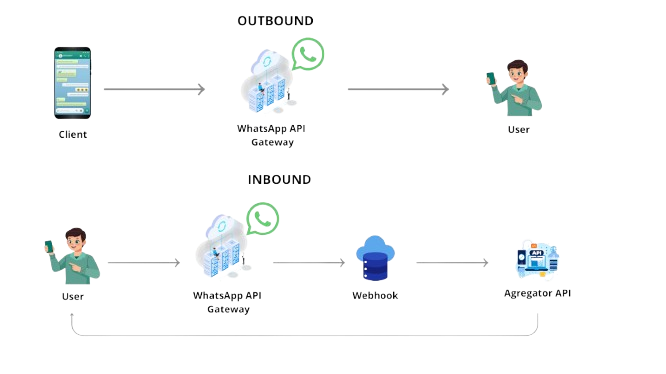
How to WhatsApp Utility Work

Use Cases

WhatsApp Utility enables businesses to send important, service-related messages such as alerts, reminders, confirmations, and updates directly through WhatsApp. It helps streamline customer communication by delivering timely, reliable information on a familiar, easy-to-access channel, improving user convenience and overall service experience.

Banking and Finance

Sending OTPs, transaction alerts, and fraud notifications.

Banking and Finance

Sending OTPs, transaction alerts, and fraud notifications.

Banking and Finance

Sending OTPs, transaction alerts, and fraud notifications.

Frequently Ask Question (FAQ)

What is WhatsApp Utility Messaging?

WhatsApp Utility Messaging refers to non-promotional, service-related communications sent to users using approved Utility templates via the WhatsApp Business API/Cloud API. Examples include payment updates, order confirmations, appointment reminders, shipping alerts, and account notifications.

  • Utility → Service-related updates that support an existing transaction or user request

  • Marketing → Promotional or outbound engagement messages

  • Authentication → OTP or login verification messages

Utility messages cannot contain promotional wording or upselling elements.

  • Common use cases include:

    • Order/shipment status updates

    • Payment confirmations and billing notifications

    • Appointment reminders

    • Subscription status updates

    • Issue resolution or customer support follow-ups

    • Policy or service changes related to user accounts

  • Yes. All outbound Utility messages must use WhatsApp-approved Utility templates. These templates are reviewed by Meta to ensure they are non-promotional and directly related to an existing customer action.

  • Utility Messaging uses:

    • WhatsApp Business Cloud API (HTTPS/REST)

    • On-Premise WhatsApp Business API

    • Webhook callbacks for message status and user replies

    Templates are triggered using a POST /messages request with a template payload.

  • WhatsApp secures communication through:

    • End-to-end encryption for user messages

    • TLS/HTTPS for API communication

    • App secret + HMAC signatures to verify webhook authenticity

    • Number-level reputation and anti-spam protections

  • Utility messages are typically delivered within seconds, thanks to Meta’s direct infrastructure.
    Throughput depends on WABA tiering, but high-volume applications (banking, e-commerce, logistics) are supported.

  • WhatsApp provides real-time webhook events for:

    • sent

    • delivered

    • read

    • failed

    These logs can be used for transaction auditing, SLA tracking, and operational analytics.

  • Yes, WhatsApp mandates:

    • No promotional wording within Utility templates

    • Messages must relate to an existing user transaction or request

    • Sensitive content must follow Meta’s platform policies

    • User must have previously interacted or opted-in

    Violations may lead to template rejection or account restrictions.

  • You need:

    • A verified WhatsApp Business Account (WABA)

    • A linked phone number

    • Approved Utility category message templates

    • API credentials (access token)

    • A backend service to trigger the template

    • A webhook endpoint to receive delivery/read statuses